
As technological advancements expedite, embedded systems are increasingly integrated across various industries, enhancing operational efficiency and simplifying functionality. They’re customarily designed to operate autonomously with specific capabilities, such as monitoring processes, controlling machinery, or managing critical communication channels. For example, embedded systems in modern vehicles oversee engine control, facilitate diagnostic methods, and support infotainment and navigation functions. In the automotive industry, embedded software has been used since the introduction of the antilock braking system.
By Prioritizing Anticipation Over Reaction, Proactive Security Averts Potential Threats
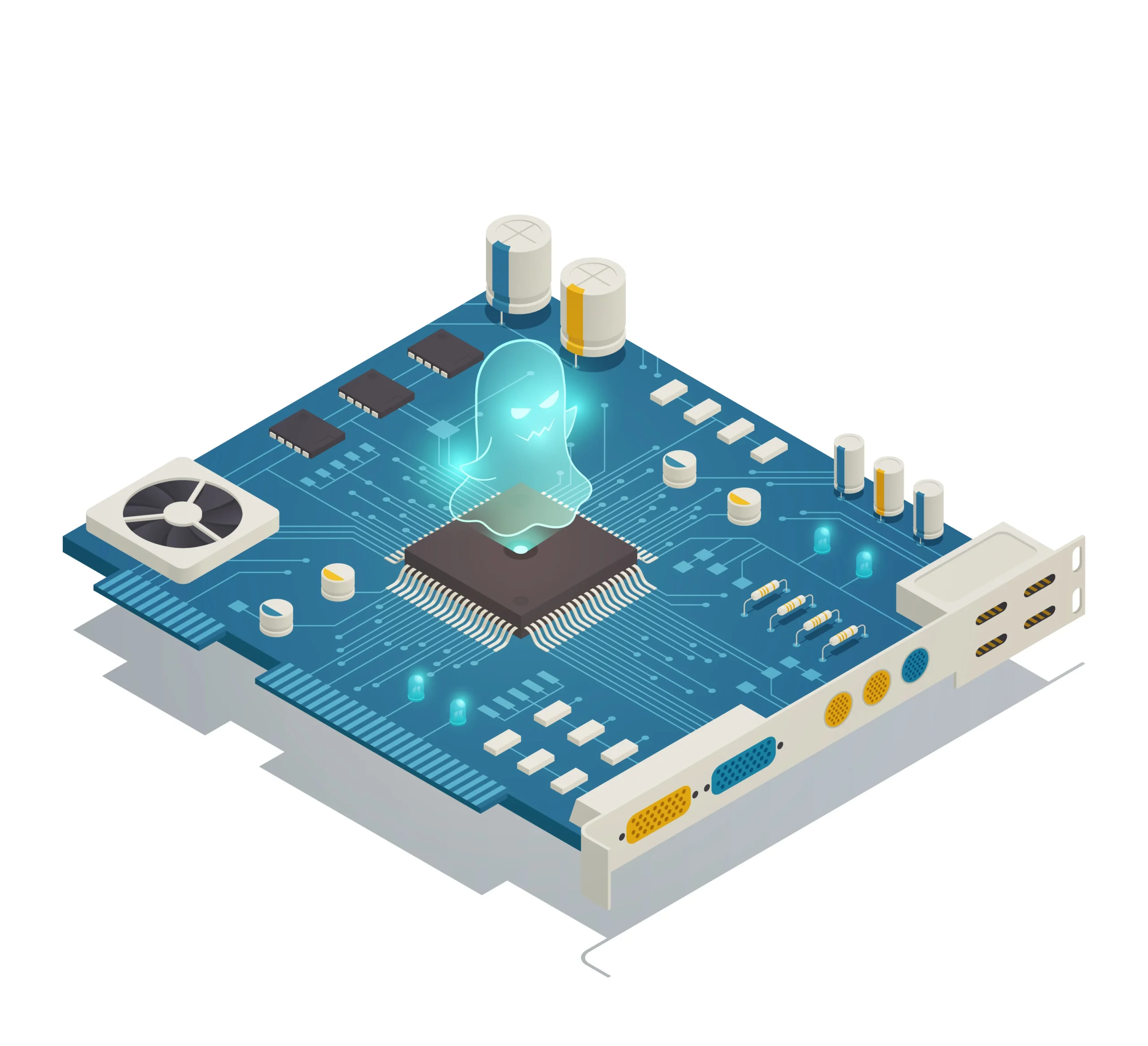
The pervasive integration of computational and networked devices into modern environments highlights the critical importance of security in maintaining the integrity and reliability of smart or intelligent systems that count on embedded technologies. Vulnerabilities in embedded systems can have severe consequences, from security breaches (unauthorized access, data leaks, firmware tampering) to critical infrastructure failure. Safety in embedded development is a moral and operational imperative.
Whether it’s controlling a car’s braking system, regulating the efficiency of a cardiac pacemaker, or managing industrial machinery, embedded systems must function reliably and predictably. Developers must focus on functional reliability, that is, design systems that can be trusted to work correctly under all conditions, including when faults occur. Adherence to safety regulations and standards guarantees market acceptance and mitigates legal liability and financial penalties for manufacturers.
Table of Contents
Exemplifications of Critical Obstacles in Embedded Development
Understanding the attack vectors specific to embedded systems allows teams to anticipate potential security vulnerabilities. Common challenges include hardcoded credentials that are difficult to update, unsecured bootloaders that permit unauthorized code execution, and outdated firmware that lacks critical patches. Human error is often an underestimated threat, contributing to a large number of security breaches. To be clear, the focus is on password reuse across systems, poor access control practices, and a general lack of cybersecurity awareness.
Security Isn’t The Responsibility Of A Single Person Or Department, But Requires Collective Effort
Gone are the days when embedded systems were isolated and hardware-driven. They’re now interconnected and software-defined, making security a continuous, top-level concern. Ensuring security for embedded system design can be arduous even for veteran developers, who are required to continuously monitor and evaluate the dynamic threat landscape while also meeting evolving security standards. In many scenarios, higher-level security features translate into higher costs and higher power consumption, which can negatively impact the marketability of the end device.
In embedded systems, security can’t be siloed into a single role or department. As opposed to traditional IT environments, embedded development calls for a tightly interwoven ecosystem of hardware engineers, firmware developers, system architects, Quality Assurance testers, and even supply chain partners. All “actors” have an essential role to play, and the nature of their involvement determines their impact on overall security. From requirements gathering to deployment and maintenance, security decisions accumulate and compound, and ongoing collaboration guarantees that trade-offs are made consciously.
Practical Tools That Support A Security-First Culture In Embedded Development
In embedded systems engineering, fostering a strong security culture extends far beyond awareness, meaning it demands the integration of secure practices into every stage of development. Implementing the right tools is critical in terms of operationalizing this approach, making security a consistent, everyday practice. To build a strong security culture, teams should use tools that reinforce secure coding and design practices, such as:
Static Analysis Tools (SAST For Embedded Development)
To meet the demand for better quality in less time with more security, teams can use static analysis tools to ensure the code meets expectations around security, reliability, performance, and maintainability. These tools help developers detect vulnerabilities, unsafe constructs, and violations of secure coding standards like MISRA C, CERT C, or AUTOSAR guidelines. Security checks should be embedded into Continuous Integration (CI)/Continuous Deployment (CD) pipelines to ensure vulnerabilities are caught automatically during code commits, builds, and deployments.
Business Password Managers (For Dev Teams)
Credentials are used to access build servers, cloud dashboards, firmware repositories, or device provisioning portals. Since the mismanagement of this secret data can lead to serious breaches, particularly when the passwords are hardcoded, it’s appropriate to use a password manager for teams when working with proprietary hardware or cloud IoT backends. A business-grade password manager protects sensitive information via strong, end-to-end encryption, providing a single point for oversight and management. By integrating password managers into the development workflow, organizations create a culture of accountability and reduce the likelihood of credential-related vulnerabilities.
Cultivating Security Thinking: Foundational Recommendations for Long-Term Success
The cost of insecurity in embedded systems can be high. Resistance to software, physical, and side-channel attacks can be confirmed only if built into the system architecture. Strong leadership, ongoing employee education, clear policies, and collaboration across all departments help internalize security as a core part of engineering identity. These are some of the best practices for cultivating a thriving security culture:
- Start with Secure Defaults in Code and Architecture
Assume that attackers will eventually look for bugs and ways to exploit code when designing firmware and system access. Users should be granted only the minimum necessary permissions to perform their specific duties to reduce the risk of human error. Equally important is to avoid hardcoded credentials and insecure protocols, such as Telnet, which transmits all data in plaintext.
- Conduct Code Reviews & Perform Threat Modeling
Security evolves with your codebase and the threat landscape, and practices like monitoring, testing, and validation allow organizations to proactively spot and address vulnerabilities, reduce risks, and maintain resilience against malicious actors. The key to building security-conscious teams is helping them build authentic curiosity about how hackers think.
- Celebrate Small Security Wins
Acknowledging small wins can improve confidence in your accomplishments. Teams see that their efforts matter and directly contribute to the safety of embedded systems, and this reinforces good habits and fosters a culture where everyone feels ownership of security. Share metrics that show improvement, such as fewer vulnerabilities, faster patch cycles, or stronger password hygiene, to keep everyone excited and focused on hitting that final target.
Concluding Observations
When engineers consider safety and security from the very get-go, treat potential risks as shared responsibilities, and feel empowered in reporting issues, they create embedded systems that not only perform their intended tasks reliably but also withstand disruptions. Security is a culture, not a checklist.
You can also read the below tutorials.

Embedded Software | Firmware | Linux Devic Driver | RTOS
Hi, I am a tech blogger and an Embedded Engineer. I am always eager to learn and explore tech-related concepts. And also, I wanted to share my knowledge with everyone in a more straightforward way with easy practical examples. I strongly believe that learning by doing is more powerful than just learning by reading. I love to do experiments. If you want to help or support me on my journey, consider sharing my articles, or Buy me a Coffee! Thank you for reading my blog! Happy learning!
Share this:

Discover more from EmbeTronicX
Subscribe to get the latest posts sent to your email.