
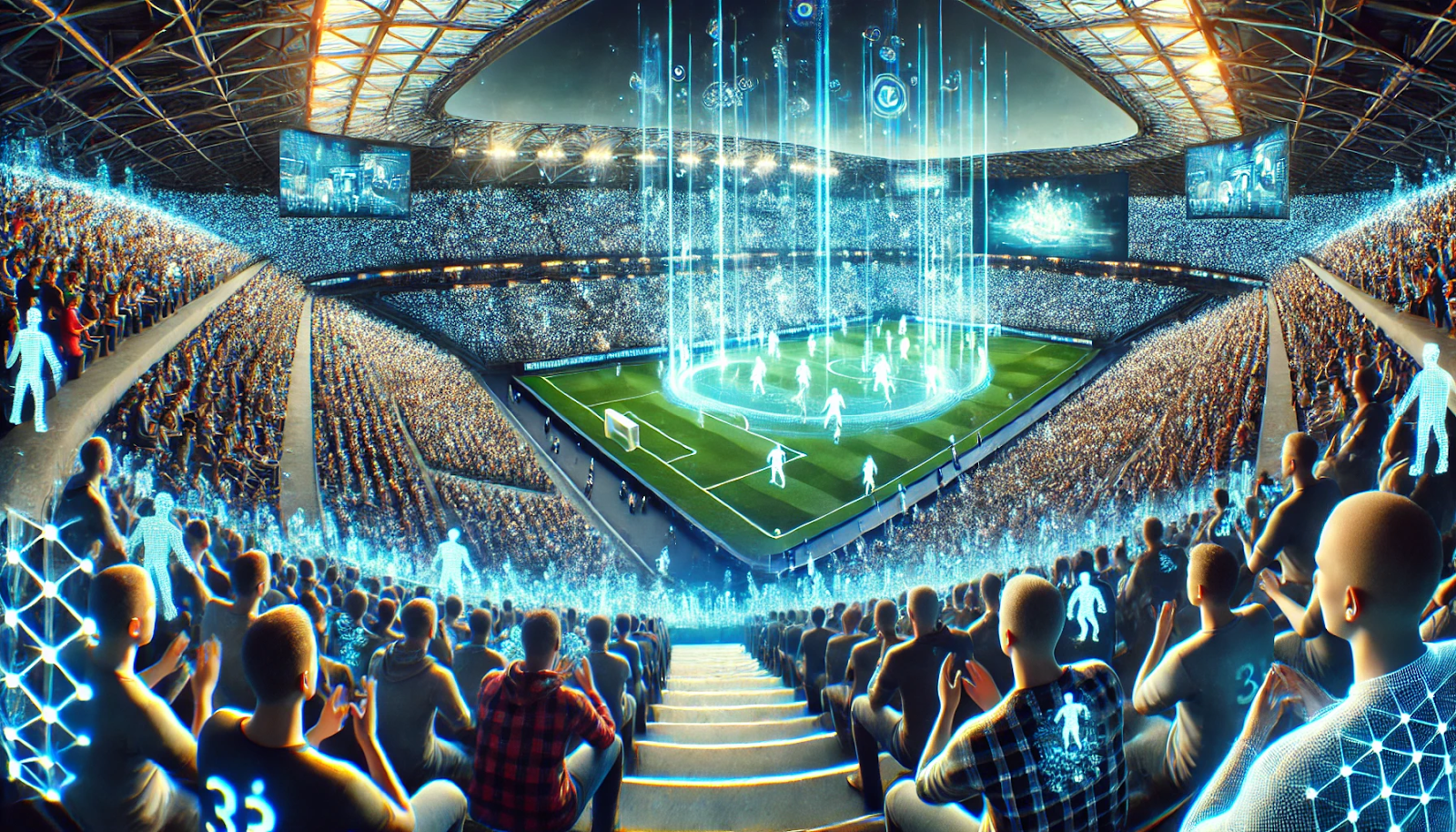
A stadium at full capacity creates an atmosphere that combines audience roar with electric stadium energy. The picture lacks all real individuals. Due to AI technology, virtual crowds transform, closely resembling genuine audiences. The innovative use of artificial intelligence creates digital versions of human crowd emotions, including sound effects and simulated movements at esports events and online casinos. Does artificial intelligence have the capability to replicate the unscripted, captivating essence of an actual stadium audience?
Table of Contents
AI and the Psychology of Crowds
A crowd functions as more than an audible presence since its members interact with each other and evolve their emotions together. AI performs a detailed analysis of actual behaviors observed in stadiums, concerts, and betting markets to establish a virtual replication of these interactions. This technology enhances realism, making experiences like betting online at Melbet India more immersive. As AI evolves, digital crowds will become even more lifelike, capturing the unpredictability of real audiences.
The same analytical methods employed by casinos and sportsbooks for bettor behavior analysis operate similarly for digital crowd monitoring. Through its learning process, the AI develops the ability to recognize what moves players, detect rising tension levels, and predict the responses of watching spectators during critical game moments. The technology enables deep virtual immersion, which includes intense poker matches and realistic digital sporting events with virtual fans that mimic human behavior.

Simulated Noise vs. Real Atmosphere
A genuine crowd is an unpredictable living entity that reacts through emotional responses. AI-generated noise tries to replicate this but faces key challenges:
- Artificial intelligence can replicate chants and cheers, but genuine voices introduce unpredictable elements that prove difficult to replicate.
- Honest crowd reactions produce a minor time lag, while AI delivers perfect timing and sometimes creates an artificial effect.
- Live crowds naturally develop greater energy levels with time, whereas AI finds it challenging to generate natural momentum development.
Machine learning continues to advance the quality of AI-generated atmospheres despite existing problems. AI-driven simulations are already transforming various gaming platforms, including Melbet, where immersive experiences play a key role. The digital crowd system reacts instantly to game events, enhancing dynamic gaming.
The Role of AI in Enhancing Crowd Realism
Through its learning process, artificial intelligence acquires knowledge about human reactions. AI has advanced to the point where it generates authentic, unpredictable atmospheres instead of mere imitations. The technology relies on two essential components: adaptive sound and motion modeling.
Adaptive Sound Algorithms
Sound is emotion. Actual crowds demonstrate not just booming volume but also experience natural fluctuations and rhythm patterns between enthusiasm and dissatisfaction. AI systems generate sound fluctuations through real-time data processing, which modifies noise volume according to game activities.
Integrating recorded human reactions and artificial intelligence-generated noise signifies a key advancement. Sports betting platforms have implemented this technology, making online matches more stadium-like. The AI system imitates the escalating tension before penalty kicks and the explosive responses that follow game-winning goals.
Motion and Interaction Modeling
Audiences do more than generate sound because their collective bodies demonstrate reactions while actively participating in their environment. AI researchers use real-world audience observation to develop virtual spectators who exhibit authentic, lifelike responses.
Virtual sports and video games use artificial intelligence to analyze audience behavior and convert it into natural crowd interactions. Audience members now express their reactions naturally through goal celebrations, whispered anticipation, and post-goal slumping. The latest AI technology understands cultural differences, so Premier League fans experience unique reactions compared to Japanese baseball audiences. Digital crowds achieve genuine authenticity because of their tiny details.
Challenges in Perfecting Virtual Crowds
AI technologies have progressed, but one fundamental problem persists: unpredictability. A real crowd is chaotic. Goals scored at the final minute generate varied responses among spectators because fans either jump for joy or stand frozen by surprise. The algorithmically produced crowd movements show methodical patterns that create an artificial feeling in viewers.
Another issue is sound layering. An actual stadium produces a complex combination of cheers, chants, and audience conversations, creating the characteristic stadium roar. AI systems find it challenging to reproduce short-lived crowd expressions. Several platforms combine authentic stadium noises with AI-created effects in their simulations; however, the result is still imperfect. The next step? AI requires training to determine when to boost silent moments, tense reactions, and natural crowd outbursts because these periods create the most potent stadium effects.
Future Innovations in AI Crowd Simulation
The technology behind AI simulation has reached a point where virtual crowds can practically mimic the authentic experience of actual crowds. Computer programmers employ machine learning algorithms to optimize reactions to various sports events, casino game scenarios, and cultural environments. The upcoming generation of AI-generated crowds will exhibit distinct behaviors based on which sporting event they observe, either in a Champions League match or a high-stakes poker tournament. Developers aim to surpass imitation by designing immersive simulations that enable players and bettors to lose awareness that they are observing artificial audiences.
You can read the below tutorials.

Embedded Software | Firmware | Linux Devic Driver | RTOS
Hi, I am a tech blogger and an Embedded Engineer. I am always eager to learn and explore tech-related concepts. And also, I wanted to share my knowledge with everyone in a more straightforward way with easy practical examples. I strongly believe that learning by doing is more powerful than just learning by reading. I love to do experiments. If you want to help or support me on my journey, consider sharing my articles, or Buy me a Coffee! Thank you for reading my blog! Happy learning!
Share this:

Discover more from EmbeTronicX
Subscribe to get the latest posts sent to your email.