
Table of Contents
What is the CR1620 Battery?
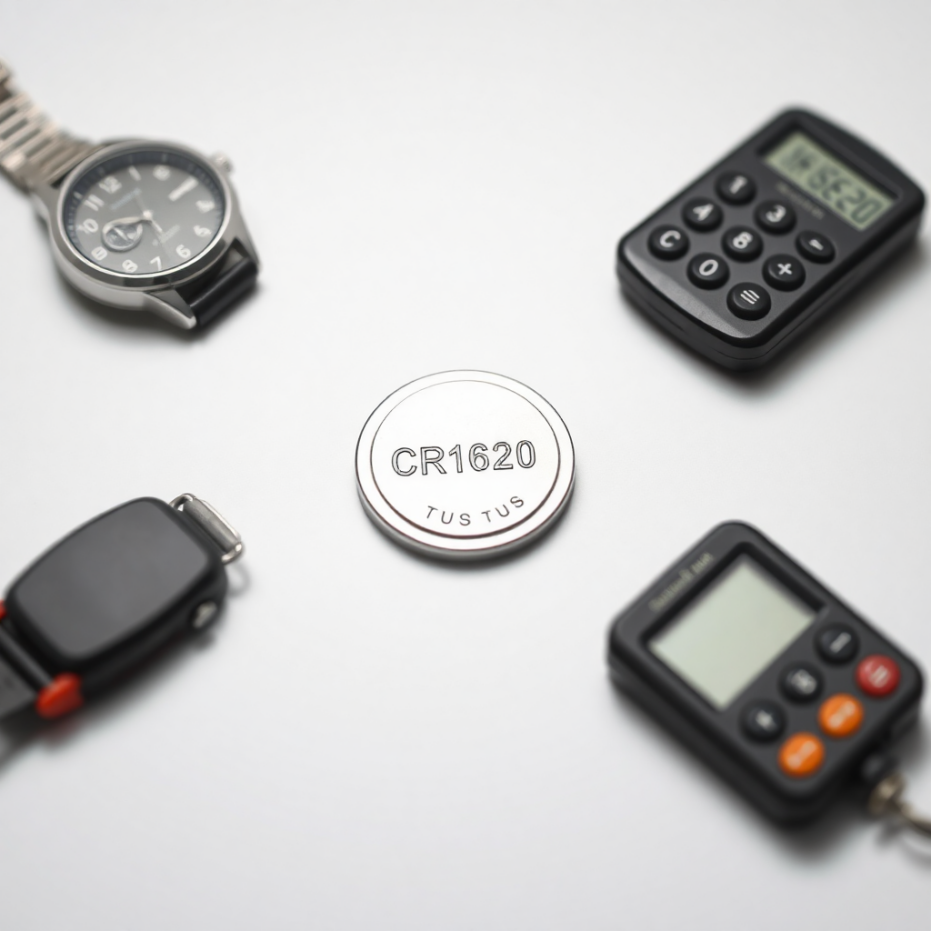
The CR1620 is a non-rechargeable lithium button/coin cell battery that is widely used in many electronic devices. With a diameter of 16.0 mm and a height of 2.0 mm, it has a nominal voltage of 3.0 volts and a capacity ranging from 65 to 80 mAh, depending on factors such as age and discharge rate. Premium models can attain even lower self-discharge rates, which are known to be between 1-2% per year. The CR1620 is commonly used in car keys, digital watches, remote controls, CMOS/motherboard batteries, and medical devices such as glucometers. It is frequently compared to related batteries such as the CR1616 (smaller capacity), BR1620 (lower capacity and drain current), LiR1620 (rechargeable with greater voltage but lower capacity), and ML1620 (rechargeable but less popular). Its benefits include high energy density, stable voltage over time, and excellent leakage resistance, making it a dependable choice for long-term use in a variety of applications. Ersa Electronics will supply a variety of battery goods for consumers to inquire about, including LR44 batteries, LR1130 batteries, LR41 batteries, and so on.
CR1620 Battery Features
The CR1620 battery is a common lithium coin cell that is noted for its small size and consistent performance. Here are the main features of the CR1620 battery:
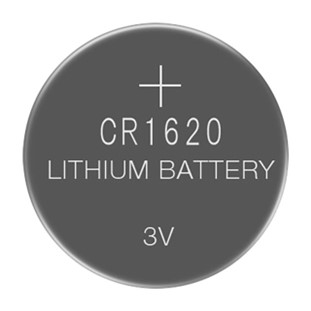
Voltage: The CR1620 has a nominal voltage of 3.0 volts, making it appropriate for a variety of electronic devices that require a stable power supply.
Capacity: The capacity typically ranges from 65 mAh to 81 mAh, depending on the manufacturer and model, allowing for extended use in devices.
Dimensions: The battery is 16 mm in diameter and 2 mm in height, as is typical for this type of coin cell battery.
Weight: It weighs roughly 1.3 grams, making it light and easy to handle.
Operating Temperature: The CR1620 can operate efficiently in a wide temperature range, typically -30°C to 60°C, increasing its versatility in a variety of settings.
Self-discharge Rate: It has a low self-discharge rate of approximately 1% per year, allowing for a long shelf life of up to ten years when stored appropriately.
Leakage Resistance: This battery has excellent leakage resistance due to advanced construction and electrolyte technology, ensuring long-term reliability.
Applications: The CR1620 is widely used in watches, calculators, remote controls, key fobs, and medical devices due to its high energy density and steady voltage characteristics.
Safety Standards: The CR1620 battery meets all safety laws, including UL approval and RoHS directives, assuring that it is free of hazardous chemicals such as mercury and cadmium.
CR1620 Battery Applications
The CR1620 battery is a versatile lithium coin cell commonly used in a variety of electronic devices due to its compact size and reliable performance. Here are the primary applications of the CR1620 battery:
- Watches: Widely used in digital watches and timepieces, providing long-lasting power.
- Remote Controls: Commonly found in remote controls for televisions, garage doors, and other electronic devices.
- Key Fobs: Used in car keyless entry systems and remote key fobs for convenience and security.
- Calculators: Powers handheld calculators, ensuring consistent operation over time.
- Toys: Utilized in numerous electronic toys and activities that require little batteries.
- Medical Devices: Found in medical equipment such as glucometers, heart rate monitors, and other portable health devices.
- Cameras: Used in some digital cameras and photography equipment for memory backup and clock operations.
- Fitness Trackers: Powers fitness devices and smartwatches, enabling energy-efficient performance.
- Home Security Systems: Common in alarm systems and motion detectors for reliable functioning.
- LED Flashlights: Used in small LED flashlights for portable illumination solutions.
CR1620 Battery Equivalent
When looking for a replacement for the CR1620 battery, several equivalent options can provide similar performance and specifications. The DL1620 (Duracell) and ECR1620 (Energizer) are two of the most widely recognized alternatives, both delivering 3 volts and a capacity of approximately 70 mAh. These batteries are commonly used in devices such as watches, calculators, and key fobs due to their reliable performance.
Another option is the BR1620 (Panasonic), which, while slightly lower in capacity at around 55 mAh, is known for its stability in extreme temperatures. This makes it particularly suitable for industrial applications where temperature fluctuations might affect battery performance.
Additionally, the 5009LC is a generic equivalent that also operates at 3 volts and offers similar capacity, making it a versatile choice for various small electronic devices. The KCR1620 (Kodak) is another alternative that matches the specifications of the CR1620, providing dependable power for cameras and other compact electronics.
It’s important to note that while these batteries share similar dimensions and voltage ratings, users should ensure that any selected equivalent matches the specific requirements of their devices. This includes checking both the physical size and the capacity to guarantee optimal functionality. Substituting a battery with significantly lower capacity could lead to reduced performance or shorter operational life in devices that demand more power.
In summary, when replacing a CR1620 battery, options like DL1620, ECR1620, BR1620, 5009LC, and KCR1620 can serve as effective equivalents, ensuring compatibility and reliable performance across a range of electronic applications. This detailed summary provides an overview of equivalent batteries while highlighting their specifications and applications.
Advantages of Using the CR1620 Battery
The CR1620 battery has several characteristics that make it an ideal choice for powering a variety of electronic devices. Here are the main benefits:
High Voltage and Energy Density: At 3.0 volts, the CR1620 provides nearly double the voltage of ordinary alkaline batteries, allowing devices to run more efficiently with fewer batteries, saving space and weight.
Stable Discharge Characteristics: The battery maintains a constant voltage throughout the discharge cycle, which substantially improves device reliability. This reliability ensures that devices powered by CR1620 batteries require little maintenance and only infrequent battery replacements.
Low Self-Discharge Rate: With an annual self-discharge rate of less than 1%, the CR1620 battery can hold a charge for up to ten years when properly stored. This extended shelf life is especially useful for products that aren’t used regularly.
Superior Leakage Resistance: The CR1620’s superior structure and electrolyte formulation ensure exceptional leakage resistance, keeping the battery safe and functional over time.
Wide Operating Temperature Range: The CR1620 can function successfully in temperatures ranging from -30°C to 60°C, making it suited for usage in a variety of settings, including extreme circumstances.
Lightweight Design: The CR1620 weighs only 1.3 grams, making it excellent for portable electronics where weight is an issue.
RoHS Compliant and Non-Toxic: The CR1620 battery is devoid of dangerous elements including mercury and cadmium, ensuring compliance with environmental requirements such as RoHS. This makes it a safer option for customers and the environment.
Differences in Performance Between CR1620 and CR1616 batteries
The CR1620 and CR1616 batteries are both lithium coin cells with a diameter of 16 mm, but they differ significantly in performance due to their dimensions and specifications. The CR1616 has a thickness of 1.6 mm and typically offers a capacity ranging from 50 to 55 mAh, making it suitable for low-drain devices such as heart rate monitors, watches, and some calculators. In contrast, the CR1620 is thicker at 2.0 mm and provides a higher capacity of approximately 65 to 80 mAh. This increased capacity allows the CR1620 to deliver more energy over its lifetime, making it ideal for devices that require sustained power, such as digital thermometers, fitness equipment, and advanced car keys.
In terms of lifespan, the CR1616 generally lasts between 5 to 10 years, while the CR1620 has a slightly longer lifespan of 7 to 10 years, which is beneficial for infrequently used devices. The CR1620 also excels in temperature resistance, maintaining performance in both high and low-temperature environments, thus enhancing its versatility across various applications.
While both batteries can fit into compartments designed for a 16 mm diameter battery, substituting a CR1616 for a CR1620 is not recommended due to the potential for reduced performance and operational issues in devices that require higher energy output. The lower capacity of the CR1616 may lead to shorter operational times and could cause devices to malfunction if they demand more power than the battery can provide. Therefore, when selecting between these two batteries, it’s crucial to consider the specific energy requirements of your device to ensure optimal functionality.
You can also purchase CR2032 3V Non rechargeable Round Lithium Coin Cell from ChipTronicX.
You can also read the below tutorials.

Embedded Software | Firmware | Linux Devic Driver | RTOS
Hi, I am a tech blogger and an Embedded Engineer. I am always eager to learn and explore tech-related concepts. And also, I wanted to share my knowledge with everyone in a more straightforward way with easy practical examples. I strongly believe that learning by doing is more powerful than just learning by reading. I love to do experiments. If you want to help or support me on my journey, consider sharing my articles, or Buy me a Coffee! Thank you for reading my blog! Happy learning!
Share this:

Discover more from EmbeTronicX
Subscribe to get the latest posts sent to your email.