
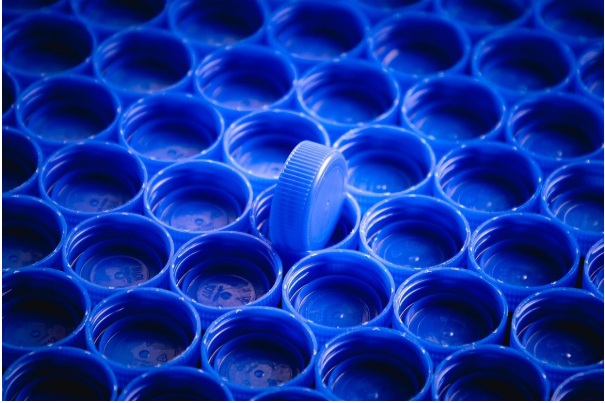
Polytetrafluoroethylene (PTFE) is a remarkable synthetic fluoropolymer renowned for its unique combination of properties, making it indispensable across various industries. Commonly recognized by the brand name Teflon®, PTFE’s exceptional characteristics have cemented its role in applications ranging from non-stick cookware to critical industrial components. Vaneflon is the leading expert in the creation of this high-performing plastic
Table of Contents
Chemical Structure and Properties
PTFE is a high-molecular-weight polymer composed entirely of carbon and fluorine atoms. This composition results in several distinctive properties:
- Chemical Inertness: PTFE exhibits resistance to nearly all chemicals, making it ideal for applications involving corrosive substances.
- Thermal Stability: It maintains stability across a wide temperature range, with a high melting point that allows it to function effectively in both high and low-temperature environments.
- Low Friction: PTFE possesses one of the lowest coefficients of friction among solid materials, contributing to its non-stick and lubricating qualities.
- Hydrophobicity: Its inability to absorb water and resistance to water-containing substances make PTFE suitable for applications requiring moisture resistance.
Industrial Applications
The unique properties of PTFE have led to its widespread adoption in various sectors:
- Oil & Gas: PTFE’s chemical resistance and durability make it suitable for seals, gaskets, and linings in equipment exposed to harsh chemicals and extreme temperatures.
- Food and Pharmaceuticals: Its non-reactive nature ensures that PTFE components do not contaminate products, making it ideal for use in processing equipment and containers.
- Chemical Processing: PTFE’s ability to withstand corrosive chemicals without degrading extends the lifespan of equipment such as pipes and valves.
- Aerospace and Semiconductors: The material’s stability under extreme conditions and low friction properties are essential in high-precision applications.
- Construction: PTFE’s weather resistance and low maintenance requirements make it valuable in architectural applications, such as roofing membranes and façade coatings.
Vanéflon’s Expertise with PTFE
At Vanéflon, we specialize in leveraging PTFE’s unique properties to deliver tailored solutions for diverse industrial needs. Our offerings include:
- Rods, Tubes, and Sheets: We provide PTFE in various forms to meet specific design requirements.
- Skived Tape: Our PTFE tapes offer excellent insulation and sealing properties.
- Machined Parts: Utilizing PTFE’s machinability, we produce custom components with precision.
- Valve Components and Seals: Our PTFE-based seals and valve components ensure reliability in demanding environments.
Advancements in PTFE Processing
Recent research has focused on enhancing PTFE’s processability and expanding its applications:
- Improved Printability: Traditional challenges with PTFE’s low surface tension have been addressed through surface treatments like dielectric barrier discharge non-thermal plasma. This treatment enhances wettability, allowing for successful printing of conductive inks, paving the way for PTFE’s use in flexible electronics.
- Direct Ink Writing: Innovations in direct ink writing of PTFE have enabled the creation of components with tunable mechanical properties, broadening its application in customized manufacturing.
PTFE vs. Teflon®: Clarifying the Terminology
It’s important to note that Teflon® is a brand name owned by Chemours, while PTFE is the generic term for the polymer. Both refer to the same material, but “Teflon®” is often used colloquially to describe PTFE products.
Conclusion
PTFE’s exceptional properties have made it a cornerstone material in numerous industries. Its chemical inertness, thermal stability, low friction, and hydrophobicity enable solutions that meet the rigorous demands of modern applications. At Vanéflon, we harness PTFE’s potential to deliver high-quality, customized products, continually exploring advancements to serve our client’s evolving needs.
You can read the below tutorials.

Embedded Software | Firmware | Linux Devic Driver | RTOS
Hi, I am a tech blogger and an Embedded Engineer. I am always eager to learn and explore tech-related concepts. And also, I wanted to share my knowledge with everyone in a more straightforward way with easy practical examples. I strongly believe that learning by doing is more powerful than just learning by reading. I love to do experiments. If you want to help or support me on my journey, consider sharing my articles, or Buy me a Coffee! Thank you for reading my blog! Happy learning!
Share this:

Discover more from EmbeTronicX
Subscribe to get the latest posts sent to your email.